Nairobi's Most Trusted Motor Vehicle Service Centre
Established over a decade ago, Wybia Auto Garage has grown from a single-bay workshop into Nairobi's most comprehensive automotive service provider. Strategically located at the Total Petrol Station, next to Deloitte along Waiyaki Way, we sit at the heart of Nairobi's busiest commercial corridor — making us easily accessible whether you're commuting from Westlands, Karen, Kikuyu, or the CBD.
Our team of 15+ certified mechanics combines Japanese import expertise with modern diagnostic technology to serve Nairobi County, Kiambu, and Machakos — and our mobile mechanics deploy nationwide through autogarage.co.ke. From a quick oil change to a full engine rebuild, every job is completed using genuine OEM parts, backed by a service warranty, and priced with full transparency. We have a Wybia Auto Garage Listing on Nairobi Online as a Reliable Auto Service Provider in Nairobi County.
Reliability Transparency Genuine Parts Warranties Fast Turnaround Mobile Coverage
15+
Certified Mechanics
12+
Car Brands
4
Counties Covered
What We Do
Comprehensive Vehicle Services in Nairobi & Beyond
From routine maintenance to complex engine rebuilds — Wybia Auto Garage handles every aspect of your vehicle's health. All repairs use genuine parts and carry a service warranty.
Engine Diagnostics & Repair
Our OBD-II scan tools read fault codes from your vehicle's ECU in minutes, eliminating guesswork. We diagnose engine misfires, warning lights, overheating, and power loss. Services include full rebuilds, timing belt/chain replacement, turbocharger repair, and head gasket repairs. All diagnostics come with a written report — no hidden surprises.
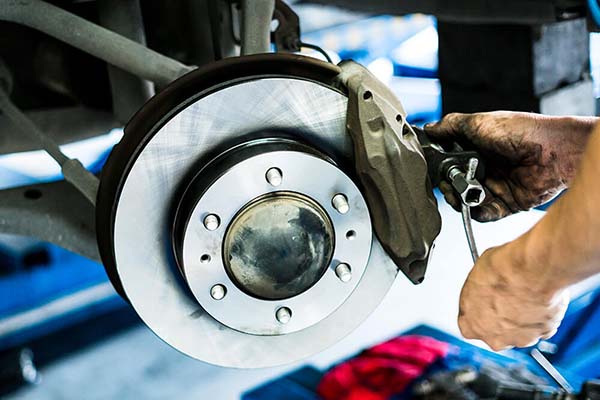
Nairobi's potholed roads place extreme stress on braking and suspension. We replace brake pads, rotors, and calipers, service ABS systems, replace shock absorbers and struts, and perform computerised wheel alignments. For 4×4 enthusiasts, we also offer heavy-duty suspension upgrades and lift kits.
Ignoring slipping gears or delayed engagement leads to costly gearbox failure. Wybia flushes automatic, manual, and CVT transmission fluids. Clutch replacement is popular for Probox and Hiace vans. For serious damage, we perform full gearbox overhauls — disassembly, bearing and synchromesh replacement, and precision reassembly.
Wybia diagnoses batteries, alternators, starter motors, and ECU faults using dedicated scan tools. AC services include refrigerant recharge (R134a), compressor replacement, condenser leak repairs, and full system overhauls. We also carry out LED lighting upgrades, central locking repairs, and immobiliser programming.
Wybia uses computerised 4-wheel alignment equipment to correct camber, caster, toe, and thrust angles to factory specifications. Dynamic wheel balancing eliminates vibrations at speed. Tyre rotations every 10,000–15,000 km equalise wear across all four tyres. A full wheel service takes under an hour.
Wybia restores accident-damaged vehicles using skilled panel beating that reshapes metal without unnecessary replacement. For minor dents without paint damage, paintless dent repair (PDR) offers a quick alternative. Our PPG-brand respray service delivers factory-quality colour matching and durable clear-coat finishes.
Nairobi's dusty, stop-and-go conditions accelerate oil degradation — we recommend a 5,000 km interval for most vehicles. We stock mineral, semi-synthetic, and fully synthetic engine oils matched to your manufacturer's specification. Every service includes a new filter and a complimentary check of coolant, brake fluid, power steering fluid, and battery health.
Whether buying a second-hand vehicle or preparing for a long journey, our comprehensive inspection covers braking, steering, suspension, tyre tread, all lighting, engine fluid leaks, battery health, and a full underbody inspection. You receive a written report with findings — no pressure to book any repair. The most valuable KES 5,000 before buying a used car in Kenya.
When your vehicle fails anywhere in Nairobi County, Kiambu, or Machakos, our mobile mechanics arrive at your location — no tow truck required. Our roadside team handles jump starts, emergency battery replacements, tyre changes, minor electrical faults, fuel delivery, and on-site diagnostics. Response times average 30 minutes within Nairobi. Available 24/7 — call 0742515161.
Our certified mechanics are trained across all major Japanese, European, and American makes. Whether you drive a Probox or a Land Cruiser, we have the right diagnostic tools and parts.
Kitengela, Athi River, Mavoko, Mlolongo, Syokimau, Machakos Town, Mwala
⏱ 1–2 hr response
Nationwide Deployment
Remote deployments via autogarage.co.ke for fleet maintenance, safaris, upcountry breakdowns, and scheduled commercial servicing anywhere in Kenya.
📅 Pre-arranged
Base Location: Total Petrol Station, next to Deloitte, Waiyaki Way, Nairobi Open Mon–Sun 7:00 AM – 8:00 PM | Emergency line 24/7
Transparent Pricing
Estimated Service Costs — No Hidden Charges
All prices in Kenyan Shillings (KES). Final quotes depend on vehicle make, model, and condition. Contact us for a precise estimate — 0742515161.
Service
Est. Cost (KES)
Notes
Engine Diagnostic (OBD-II)
1,500 – 3,000
Written report included; applies toward repair
Oil Change – Mineral
2,500 – 4,000
Includes oil filter & fluid checks
Oil Change – Full Synthetic
5,000 – 10,000
Includes filter; mobile service available
Brake Pads (per axle)
3,500 – 8,000
Genuine pads; front or rear
Brake Rotors (per axle)
6,000 – 15,000
Machining or full replacement
Shock Absorbers (pair)
8,000 – 25,000
Brand-dependent; KYB / Monroe available
4-Wheel Alignment
2,500 – 4,500
Computerised; all 4 wheels
Wheel Balancing (4 wheels)
1,500 – 2,500
Dynamic balancing
Tyre Rotation
1,000 – 2,000
Recommended every 10–15k km
Transmission Fluid Flush
4,000 – 9,000
ATF / CVT / Manual gear oil
Clutch Kit Replacement
18,000 – 40,000
Labour & full kit included
Gearbox Overhaul
35,000 – 90,000
Full strip-down & rebuild
Timing Belt / Chain
8,000 – 18,000
Includes tensioner & water pump
Head Gasket Repair
18,000 – 40,000
Includes head skim if needed
Engine Rebuild (4-cyl)
45,000 – 120,000
Genuine parts; warranty provided
Battery Replacement
6,000 – 15,000
Correct Ah rating for your vehicle
Alternator Replacement
8,000 – 20,000
Recon or new unit available
AC Regas (R134a)
3,500 – 6,000
Full leak check included
AC Compressor Replacement
20,000 – 55,000
OEM or aftermarket options
Safety / Pre-Purchase Inspection
3,000 – 6,000
Comprehensive written report
Panel Beating (per panel)
5,000 – 20,000
Severity-dependent
PPF / Full Respray
80,000 – 200,000
PPG paint; size & condition dependent
Mobile Roadside Callout
2,000 – 5,000
Callout fee + parts at cost
Fleet Maintenance Contract
Negotiable
Per vehicle; bulk discounts available
All prices are estimates in KES. Final cost varies by make, model, and job complexity. Call 0742515161 for your specific quote.
Our Advantage
Why Nairobi Drivers Choose Wybia Auto Garage
Mobile Mechanics Across Nairobi
Breakdowns don't wait for business hours. Our mobile team deploys across Nairobi County, Kiambu, and Machakos — averaging a 30-minute response within Nairobi and 1–2 hours in satellite towns. Your vehicle is fixed where it breaks down.
Genuine OEM Parts & Warranty
We source genuine and OEM-grade parts for every repair. No counterfeit components, no compromises. Every service is backed by a written warranty, giving you confidence long after you leave our workshop.
15+ Certified Technicians
Our team of over 15 certified mechanics brings specialist knowledge across engine management, transmission systems, bodywork, and electrical systems — covering all major Japanese, European, and American vehicle brands.
100% Transparent Pricing
Before any wrench turns, you receive a detailed written quote. No hidden costs, no surprise additions to your invoice. Our published price ranges reflect real-world costs for Nairobi's most common vehicle repairs.
Fast Turnaround Times
Routine services like oil changes, brake replacements, and wheel alignments are completed the same day. For complex repairs, our team works efficiently to minimise vehicle downtime — especially important for commercial fleet operators.
Modern Diagnostic Technology
Our OBD-II diagnostic tools and manufacturer-specific scan equipment accurately identify faults in minutes. This precision prevents unnecessary part replacements and ensures every repair addresses the actual root cause — saving you time and money.
Customer Reviews
What Nairobi Drivers Say About Us
"My Toyota Land Cruiser was misfiring badly on the Thika Road. Wybia sent a mobile mechanic within 25 minutes — OBD scan found a faulty injector, replaced on-site. I was back on the road in under two hours. Absolutely incredible service."
JK
James Kamau
Kasarani, Nairobi
"Brought my Subaru Forester in for a full service and wheel alignment. The team was professional, explained every item on the invoice, and the car handles like new. Pricing was exactly as quoted — no surprises. Will never go anywhere else."
AW
Amina Wanjiru
Westlands, Nairobi
"Our company fleet of 12 delivery vans is maintained by Wybia on a monthly contract. Downtime has dropped by 60% since we switched. Their mobile team handles servicing at our depot in Ruiru — zero disruption to our operations."
PO
Patrick Ochieng
Ruiru, Kiambu
"Had a clutch replaced on my Probox that carries goods to Kitengela daily. Wybia quoted the most competitive price in Nairobi, used a genuine kit, and completed the job in one day. The clutch feels perfect. Highly recommend for heavy-duty vehicles."
SM
Samuel Mwangi
Kitengela, Machakos
"My car's AC completely stopped working during the hottest week of the year. Wybia diagnosed a failed compressor, gave me a written quote same day, and had the new unit fitted within 48 hours. The price was fair and the AC is freezing cold now. Excellent!"
Open Today
Mon – Sun: 7:00 AM – 8:00 PM
Emergency Line: 24/7
FAQs
Frequently Asked Questions
An oil change at Wybia Auto Garage starts from KES 2,500 for mineral oil and goes up to KES 10,000 for full synthetic, depending on your vehicle's engine size and oil specification. Every oil change includes a new filter, disposal of old oil, and a complimentary check of coolant, brake fluid, and battery health. Mobile oil changes are available across Nairobi County at no extra callout charge for regular customers.
Our mobile mechanics cover all of Nairobi County, Kiambu County (including Thika, Ruiru, Kiambu Town, Limuru, and Kikuyu), and Machakos County (including Kitengela, Athi River, Mavoko, and Mlolongo). We also offer pre-arranged nationwide deployments for fleets, safari vehicles, and commercial operators through autogarage.co.ke. Response times average 30 minutes within Nairobi and 1–2 hours in satellite towns.
Yes — all repairs carried out at Wybia Auto Garage are backed by a service warranty. The warranty period depends on the type of repair and parts used: major mechanical repairs (engine, transmission, brakes) typically carry a 3–6 month or 5,000 km warranty on both labour and parts. All parts sourced are genuine OEM or quality aftermarket equivalents. Your warranty details are stated on your service receipt.
Our OBD-II engine diagnostic scan costs between KES 1,500 and KES 3,000. This includes a full read of all fault codes from your vehicle's ECU, a written diagnostic report, and a verbal explanation of findings. The diagnostic fee is typically credited toward any repair booked with us. We do not recommend or pressure unnecessary repairs — you receive an honest assessment only.
Yes! You can book through three convenient channels: use the booking form on this page, visit autogarage.co.ke, or send a WhatsApp message to 0742515161 with your vehicle details and preferred service. Our team will confirm your slot and provide a preliminary quote within the hour. We recommend booking at least 24 hours in advance to guarantee your preferred date and time, especially for major services.
Yes — Wybia Auto Garage services all major vehicle makes, including Toyota, Nissan, Isuzu, Subaru, Mitsubishi, Mazda, Honda, Volkswagen, Land Rover, Mercedes-Benz, BMW, and Ford. Our OBD-II diagnostic tools support both Japanese and European EOBD protocols. We stock or can quickly source genuine parts for most common models in the Kenyan market. Call 0742515161 to confirm availability for your specific vehicle.
Service times vary: oil changes take 45–60 minutes; wheel alignment and balancing take 1–2 hours; brake pad replacement takes 2–3 hours; clutch replacement takes 4–8 hours; engine diagnostics take 30–60 minutes; full engine rebuilds typically take 3–5 days depending on parts availability. For major repairs, we provide a realistic time estimate before starting — we never rush jobs that require precision.
Yes — our emergency breakdown line operates 24 hours, 7 days a week. Call or WhatsApp 0742515161 for immediate assistance. During off-hours, our on-call mobile mechanic team handles emergency jump starts, tyre changes, minor breakdowns, and tow arrangements. A callout fee of KES 2,000–5,000 applies depending on location and time, plus the cost of any parts required.
Book Your Service Now — Limited Slots Available!
Garage visit or mobile service, 7 days a week. Certified mechanics, genuine parts, transparent pricing — guaranteed.
Expert advice for Nairobi drivers — from maintenance tips to cost guides. Written by our certified mechanics.
Engine
March 2026 · 5 min read
Engine Diagnostics in Nairobi: What Your Warning Light Really Means
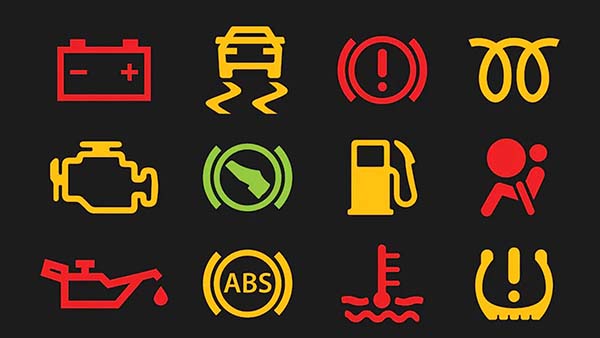
That glowing check engine light can mean anything from a loose fuel cap to a failing catalytic converter. This guide explains the most common OBD-II fault codes seen in Nairobi's vehicle fleet and what they mean in plain language.
Brake Maintenance Tips Every Nairobi Driver Needs to Know
Kenya's road accident statistics are among the highest in sub-Saharan Africa, and brake failure is a significant contributing factor. This covers the warning signs of failing brakes and how often they should be inspected in Kenyan conditions.
5 Reasons Mobile Mechanics Are Transforming Car Ownership in Kenya
Mobile mechanics — skilled technicians who come directly to your home, office, or breakdown location — are rapidly becoming the preferred choice for Nairobi's busy professionals and fleet operators.
2026 Car Maintenance Cost Guide for Kenyan Drivers
This comprehensive guide covers the realistic costs of all major car services in Kenya — from a KES 2,500 oil change to a KES 90,000 gearbox overhaul — broken down by vehicle type, service category, and region.